


Choosing a Roofer Who Works With Insurance Companies

The insurer’s contractor isn’t the only voice you can hear about your roof. Choosing a roofer who works with insurance companies starts with understanding that the roofer and the insurance adjuster have different roles: the roofer evaluates the roof and repair work, while the adjuster assesses damage for the claim. You can seek another roofing opinion without confusing it with the insurer’s claim decision.
It’s understandable to want a clear, reliable assessment before agreeing to repairs. A roofer can explain visible damage and the work needed, but that assessment does not replace the adjuster’s role or determine what your policy covers.
This guide explains how to assess a roofer’s license, references, and workmanship warranty, and what to expect when a roofing contractor and insurance adjuster are both involved. You’ll find practical criteria for choosing a roofer and a clearer picture of who handles each part of the process.
Table of Contents
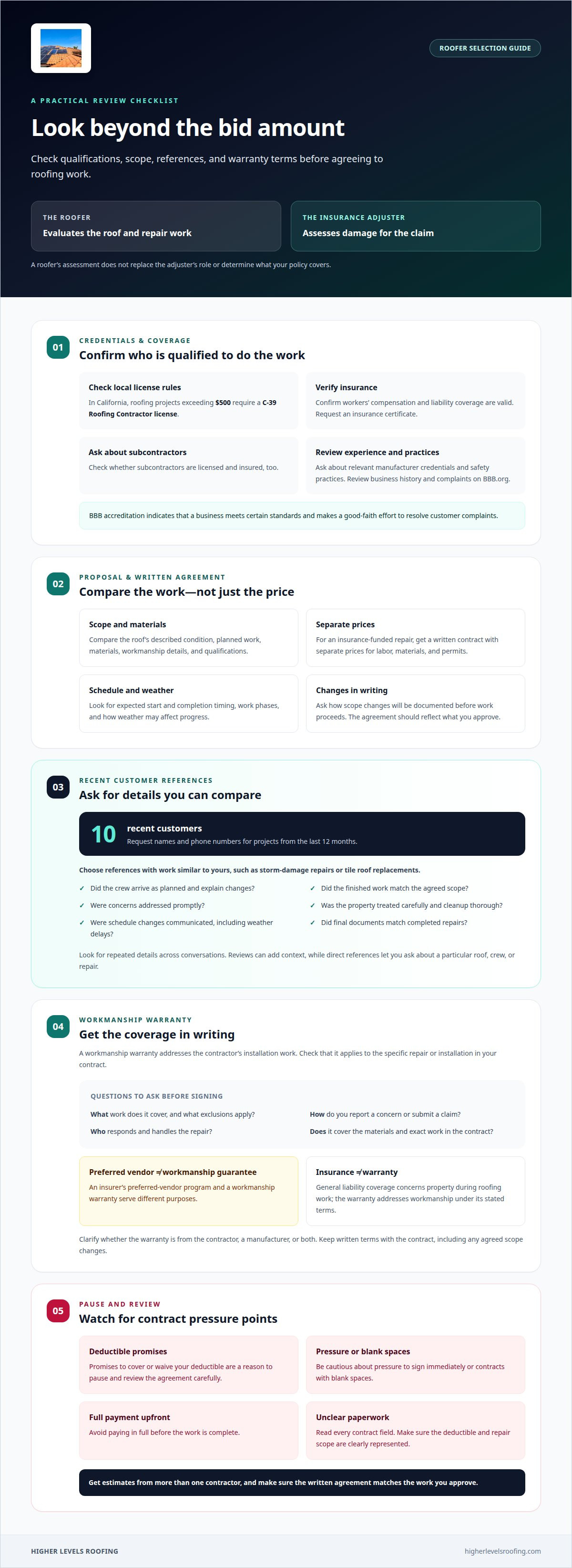
1. Is the contractor licensed?
Start with the license rules where the property is located. In California, roofing projects exceeding $500 require a C-39 Roofing Contractor license. Confirm that the contractor’s workers’ compensation and liability insurance are valid, and request an insurance certificate. Ask whether subcontractors are licensed and insured, too. These checks help clarify who will perform the work and what coverage applies while workers are on your property.
Compare bids by scope, materials, workmanship details, and qualifications, not price alone. Check whether each proposal describes the roof’s condition and explains the planned work. Ask about relevant manufacturer credentials, safety practices, and warranties. Review the contractor’s business history and complaints on BBB.org. BBB accreditation indicates that a business meets certain standards and makes a good-faith effort to resolve customer complaints.
For references, request names and phone numbers for 10 customers from the last 12 months. Ask whether projects finished on time and whether the work met expectations. Review the schedule for expected start and completion timing, work phases, and how weather may affect progress.
For an insurance-funded repair, get a written contract that describes the work and materials, with separate prices for labor, materials, and permits. The contract should make the project schedule clear. Ask how changes to the scope will be documented before work proceeds, so the written agreement reflects what you approve.
Treat promises to cover or waive your deductible as a reason to pause and review the agreement carefully. The deductible and repair scope should be clearly represented in the paperwork. After a storm, watch for pressure to sign immediately, blank spaces in contracts, or demands for full payment upfront. Get estimates from more than one contractor, read every contract field, and avoid paying in full before the work is complete.
2. Checking recent customer references
Ask the contractor for names and phone numbers for 10 recent customers from the last 12 months. A recent project gives a clearer picture of how the company communicates and completes roofing work than an older example. Choose references whose projects resemble yours, such as a repair after storm damage or a tile roof replacement. Similar work helps you assess relevant experience rather than relying on general praise.
When speaking with each reference, ask about specific parts of the job. Did the crew arrive as planned, explain changes, and leave the property orderly? Did the finished work match the agreed scope, and did the contractor address concerns promptly? These details help distinguish consistent workmanship from a polished first impression.
For an insurance-funded repair, ask how the contractor coordinated information about the roof with the homeowner. Was the scope of work clear? Were changes explained before work continued, and did the final documents match the completed repairs? If the owner mentions weather delays, ask how the contractor communicated schedule changes and protected the home while work paused.
Look for repeated details across references, not just one person’s overall rating. Several owners describing clear updates can reveal a useful pattern, while conflicting accounts call for more specific questions. You can also read publicly available reviews and compare their details with what references share. Reviews add context, but direct conversations let you ask about a particular roof, crew, or repair.
Ask whether the contractor’s workers treated the home carefully and whether cleanup was thorough. If a reference describes a problem, focus on how the contractor responded and whether it was resolved. For a roof needing repair, explore roof repair services as a practical next step after documenting the damage and understanding the work needed.
3. Ask about workmanship warranties
A workmanship warranty addresses the contractor’s installation work, so ask for its written terms before signing. Find out what work it covers, how to report a concern, and who responds to a claim. Ask whether the coverage applies to the specific roof repair or installation in your contract. A licensed contractor should be able to explain the warranty clearly and provide its details in writing.
Clarify whether the warranty comes from the roofing contractor, a manufacturer, or both. Ask whether a manufacturer’s warranty covers workmanship, and request the applicable document. Don’t assume an insurer’s preferred-vendor program guarantees the quality of the contractor’s work. The program and workmanship warranty serve different purposes, so ask who stands behind the installation if a problem arises.
Before you sign, ask: “What does the workmanship warranty cover, what exclusions apply, and how do I submit a claim?” Also ask who will handle the repair and whether the written warranty covers the specific materials and work in your contract. Keep the answers with the contract and warranty documents.
Check that the contract describes the work clearly enough to compare it with the warranty. For example, if the scope names a roof section or a particular repair, ask whether the warranty applies to that exact work. Ask how scope changes affect coverage, and make sure any agreed changes appear in writing. This can prevent confusion about what the contractor completed.
General liability insurance and a workmanship warranty are not interchangeable. Liability coverage concerns property during roofing work, while the warranty addresses workmanship under its stated terms. Ask how the contractor documents completed work and who to contact about a workmanship concern. Clear answers, written terms, and a contract that matches the agreed scope give you a firmer basis for deciding whether to proceed.
4. The separate roles of roofers and insurance adjusters
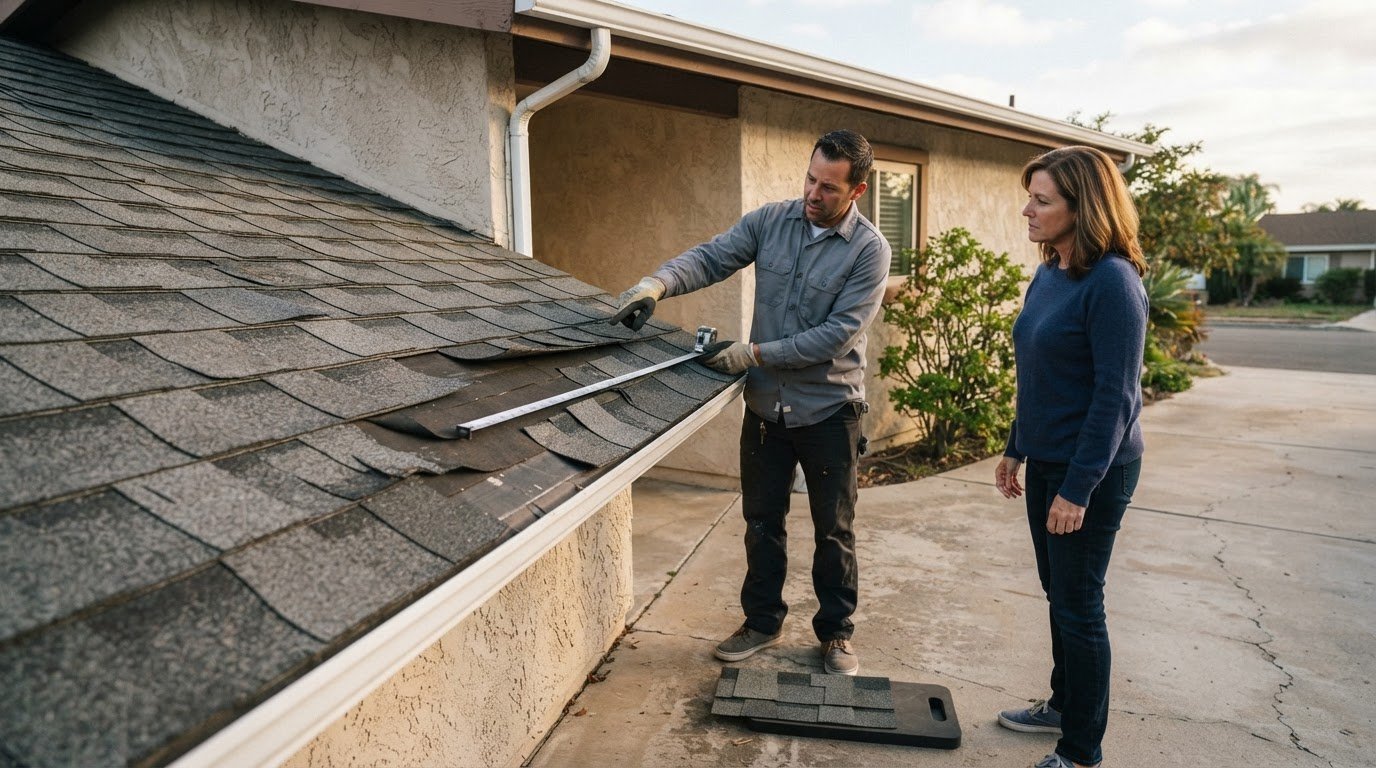
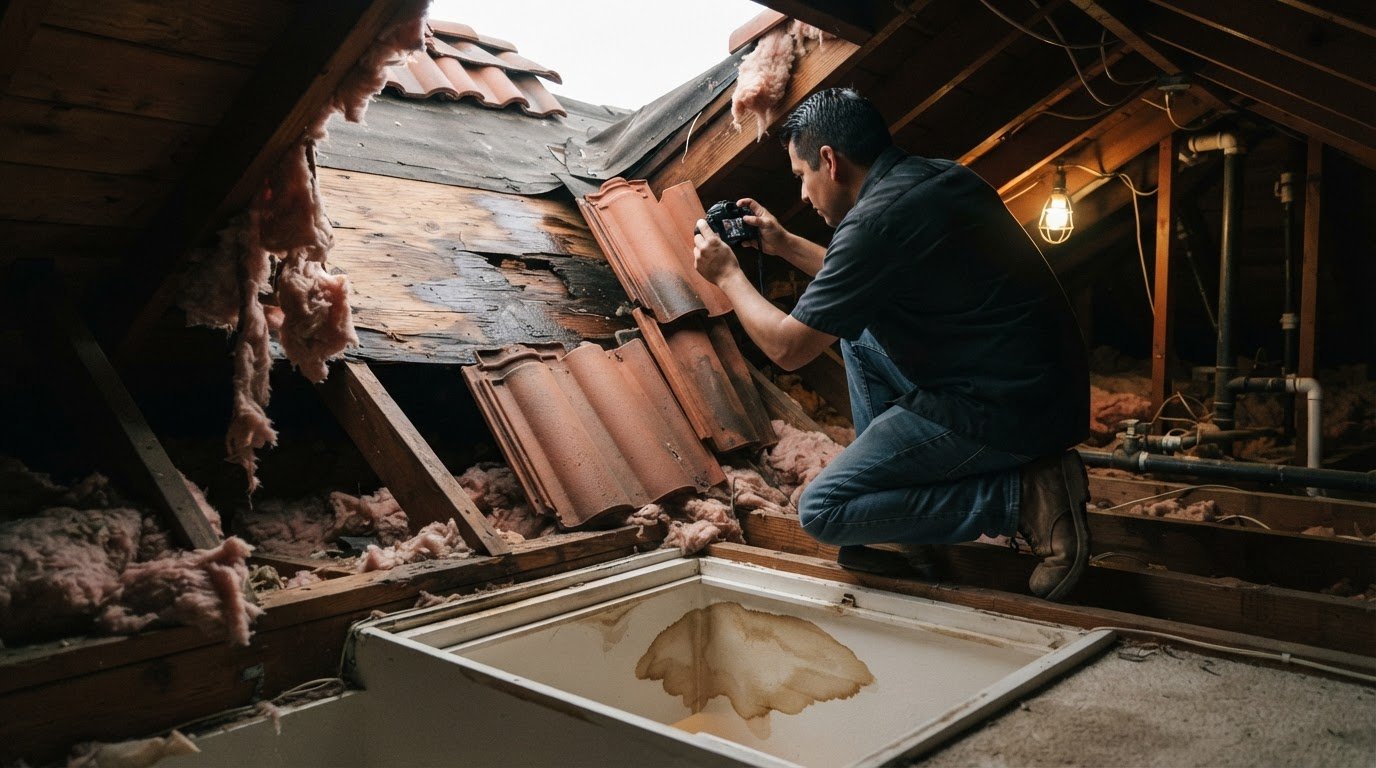
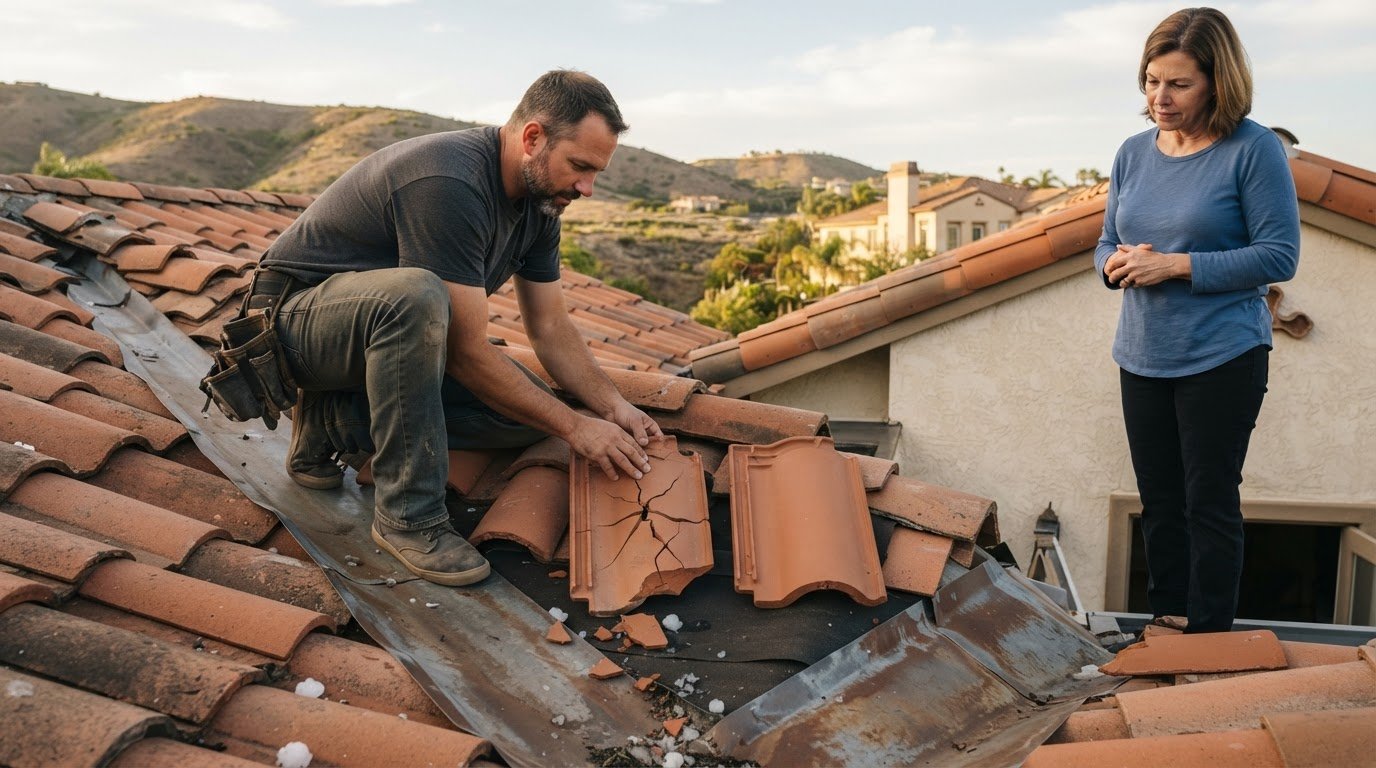
A roofer and an insurance adjuster assess a damaged roof for different purposes. The roofer examines its condition and describes proposed repair or replacement work. The adjuster assesses damage for the insurance claim. A roofer’s estimate is not the insurer’s coverage decision, and an adjuster’s assessment does not replace a contractor’s work plan.
How do roofing estimates compare with an adjuster’s assessment? A roofer’s estimate outlines proposed work and materials; an adjuster’s assessment addresses damage for the claim. Compare the documents line by line, noting differences in roof areas, materials, or repairs. Ask the roofer to explain the work behind any difference, rather than treating either document as automatic approval.
For example, a roofer may identify damage on a particular roof section and propose a repair, while the adjuster’s assessment describes the damage differently. Share the relevant documents and ask the contractor to explain the practical difference, including which work addresses the observed condition. The insurer determines claim coverage under the policy; the roofer explains the roof’s condition and proposed work.
Keep the roles distinct in your conversations. A roofing contractor can provide observations and estimates, while the adjuster evaluates damage for the claim. Don’t assume a roofer can interpret policy coverage or negotiate a claim as your representative. Referrals may help you find a contractor, but they don’t replace a clear estimate. Liability insurance is separate from the adjuster’s claim assessment.
Manufacturer information can help explain material options, but it doesn’t determine claim coverage. For residential or commercial roofing, keep the adjuster’s assessment, contractor’s estimate, and final work scope together. Ask about differences before repairs begin, and make sure the agreed scope is clear. For an independent roofing assessment, request a roof evaluation.
Higher Levels Roofing: Roof Repair Services
Higher Levels Roofing provides roof repair services when damage calls for a roofing assessment and repair plan. Its roofing work includes asphalt shingles, flat concrete tile, and concrete S tile. These options give homeowners in San Diego a practical starting point for discussing repair needs and the materials on their roofs.
If an insurance adjuster has assessed the damage, keep the claim assessment separate from the proposed repair scope. A roofer can explain the roofing work needed, while the adjuster assesses damage for the claim. Clear information about the affected roof area and proposed repair can help you understand the next step.
For roof repair services or questions about your roofing needs in San Diego, contact Higher Levels Roofing.
Move from claim paperwork to a clear roof plan
Your next step can be turning the claim documents into a practical plan for your home. Consider the roof’s appearance, the material involved, and the repair outcome you want before deciding how to proceed. A clear goal makes it easier to discuss the work and keep the project focused on your property’s needs.
Choosing a roofer who works with insurance companies also means keeping your own priorities in view. As you continue choosing a roofer who works with insurance companies, remember that the claim process is one part of the decision; the finished roof is what protects and shapes your home over time. Higher Levels Roofing offers asphalt shingle roofing, flat concrete tile roofing, and concrete S tile roofing, along with roof repair services. These options can help guide a conversation about the right roofing work for your San Diego home.
When you’re ready to discuss your roof, contact Higher Levels Roofing today. A clear next step can help you move forward with care and confidence.
Frequently Asked Questions
Can I get a second opinion after the insurer's contractor looks at my roof?
Yes. You can ask another roofing contractor to assess the roof and provide an independent estimate. For example, if the first assessment addresses only one roof section, ask the second contractor to explain any additional damage or work they identify. Keep both assessments and share relevant information with your insurer. In Colorado, the homeowner chooses the roofing contractor, while the adjuster assesses the damage.
Is the contractor licensed?
Higher Levels Roofing is a licensed roofing contractor serving the San Diego area. Licensing rules vary by state, so check the requirements that apply to your property and the work involved. In California, roofing projects exceeding $500 require a C-39 Roofing Contractor license. Also consider whether the contractor’s insurance and any subcontractor credentials suit the project.
Should I Hire My Insurance Company's Preferred Roofer?
You can consider a preferred roofer, but the insurer’s selection doesn’t replace your own review of the proposed work. Read the estimate and contract closely, and ask who handles questions about the repair scope. An insurer’s preferred-vendor program typically doesn’t guarantee workmanship, so understand the contractor’s written warranty before agreeing to the work.
How do I choose a roofer experienced with insurance claims?
Look for a contractor who can explain roof damage in clear, specific terms and prepare an estimate identifying the proposed work and materials. Ask how they document conditions and communicate scope changes during a claim-related repair. A useful answer should distinguish the contractor’s assessment of roofing work from the insurer’s decision about claim coverage.
Should I choose a roofer recommended by my insurance company?
A recommendation can be one factor in your decision, but it doesn’t mean you must use that roofer everywhere. In Colorado, an insurer can’t require a homeowner to use a specified repair business. Consider whether the proposed scope fits your roof’s needs and whether the contractor explains the work clearly. Choosing a contractor and assessing an insurance claim are separate matters.
Can a roofer negotiate or file an insurance claim on my behalf?
In Colorado and Texas, a roofer may not act as a public adjuster. A roofing contractor can assess roof conditions and describe proposed repairs, but that role is distinct from representing you in claim negotiations. Keep your insurer’s communications and the contractor’s roofing documents organized, and direct claim-coverage questions to your insurer.
Comments