


How a New Roof Can Lower Energy Bills in San Diego

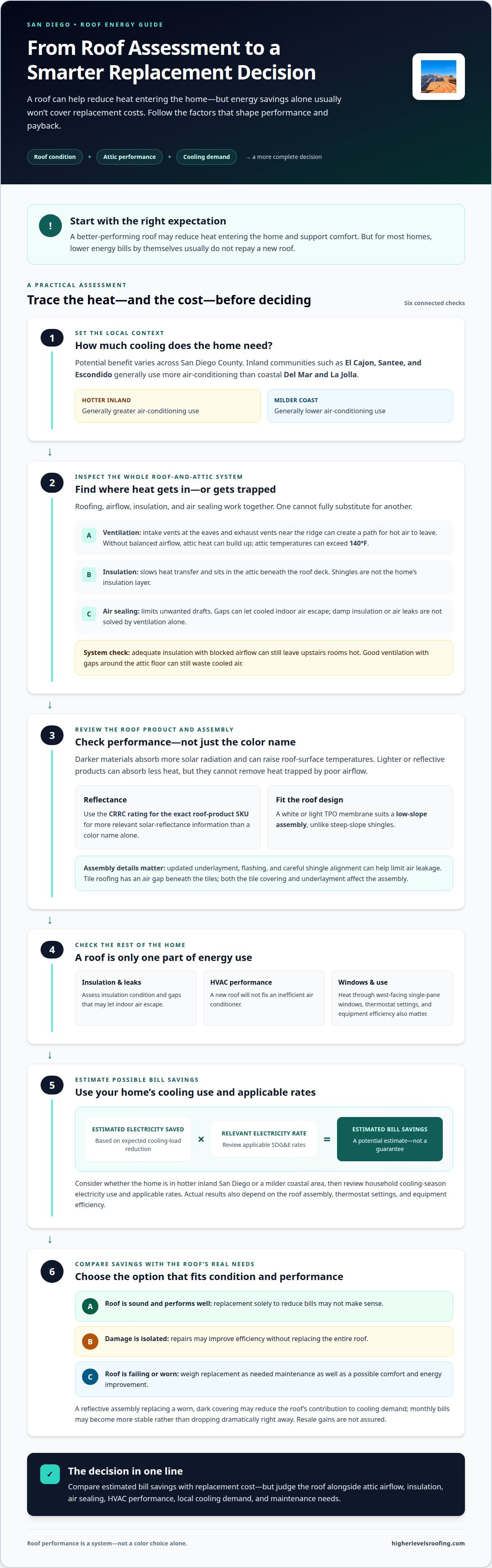
A new roof can help lower energy bills in San Diego, but energy savings alone usually won’t cover the replacement cost. Understanding how a new roof can lower energy bills in San Diego starts with the factors that affect heat transfer: roofing material and color, underlayment condition, and attic airflow. A well-planned replacement can limit heat entering the home and reduce the workload on heating and cooling systems.
If cooling costs seem high for San Diego’s mild coastal climate, the roof may be one factor, especially in hotter inland communities. This guide explains how roofing materials, color, and attic ventilation influence comfort and energy use, and why insulation and HVAC performance matter too. You’ll also learn when a new roof makes sense as needed maintenance, rather than as a bill-saving project alone. The aim is to help you weigh potential savings against the roof’s broader value to your home.
Table of Contents
Does color or attic ventilation matter more?
Both affect summer heat, but ventilation and insulation determine how the attic handles it. A reflective roof can absorb less sunlight, while airflow helps release heat trapped beneath the roof deck.
Managing Attic Heat Buildup
Attic ventilation is the airflow that carries hot air out and draws cooler air in. Without balanced airflow, summer heat can build beneath the roof and make indoor comfort harder to maintain. Attic temperatures can exceed 140°F when heat remains trapped. Intake vents at the eaves and exhaust vents near the ridge can create a path for that heat to escape.
Pairing Ventilation With Insulation and Air Sealing
Ventilation moves air through the attic, insulation slows heat transfer, and air sealing limits unwanted drafts. These elements work together rather than replacing one another. Shingles are not the home’s insulation layer; insulation sits in the attic beneath the roof deck. If gaps let indoor air escape or insulation becomes damp, ventilation alone cannot solve those problems or maintain steady comfort.
Roof color affects how much sunlight the surface absorbs. Darker materials absorb more solar radiation, raising roof-surface temperatures and potentially adding heat to the attic. Lighter or reflective materials can absorb less heat, but they cannot remove heat trapped by poor airflow. A reflective covering over a poorly sealed or thinly insulated attic also leaves much of the heat-transfer path unchanged.
For example, a home with adequate insulation but blocked airflow may still hold summer heat upstairs. A roof with sound ventilation but gaps around the attic floor can also lose cooled indoor air. California’s Title 24 energy standards are published by the California Energy Commission. The practical choice depends on the roof and attic as a system: airflow routes, insulation condition, air leaks, and surface reflectance all shape performance.
Does a new roof lower energy bills in San Diego?
A new roof can reduce energy use when it limits heat entering the home and supports efficient heating and cooling. Understanding how a new roof can lower energy bills in San Diego starts with the roof assembly, local cooling needs, and the condition of the home’s insulation and HVAC system.
In San Diego’s climate, reflective or lighter-colored roofing can help reduce absorbed sunlight. The product’s actual reflective performance matters more than its color name alone. Incentives for solar installations, where available, are separate from roofing replacements and should not be assumed to offset roof costs.
Roof Efficiency in Hot Climates
In a hot climate, an efficient roof helps reduce heat transfer into the home. The potential benefit varies across San Diego County because cooling demand differs by location. Inland communities such as El Cajon, Santee, and Escondido generally use more air-conditioning than coastal Del Mar and La Jolla. A roof upgrade may improve comfort if an older covering contributes to excess indoor heat.
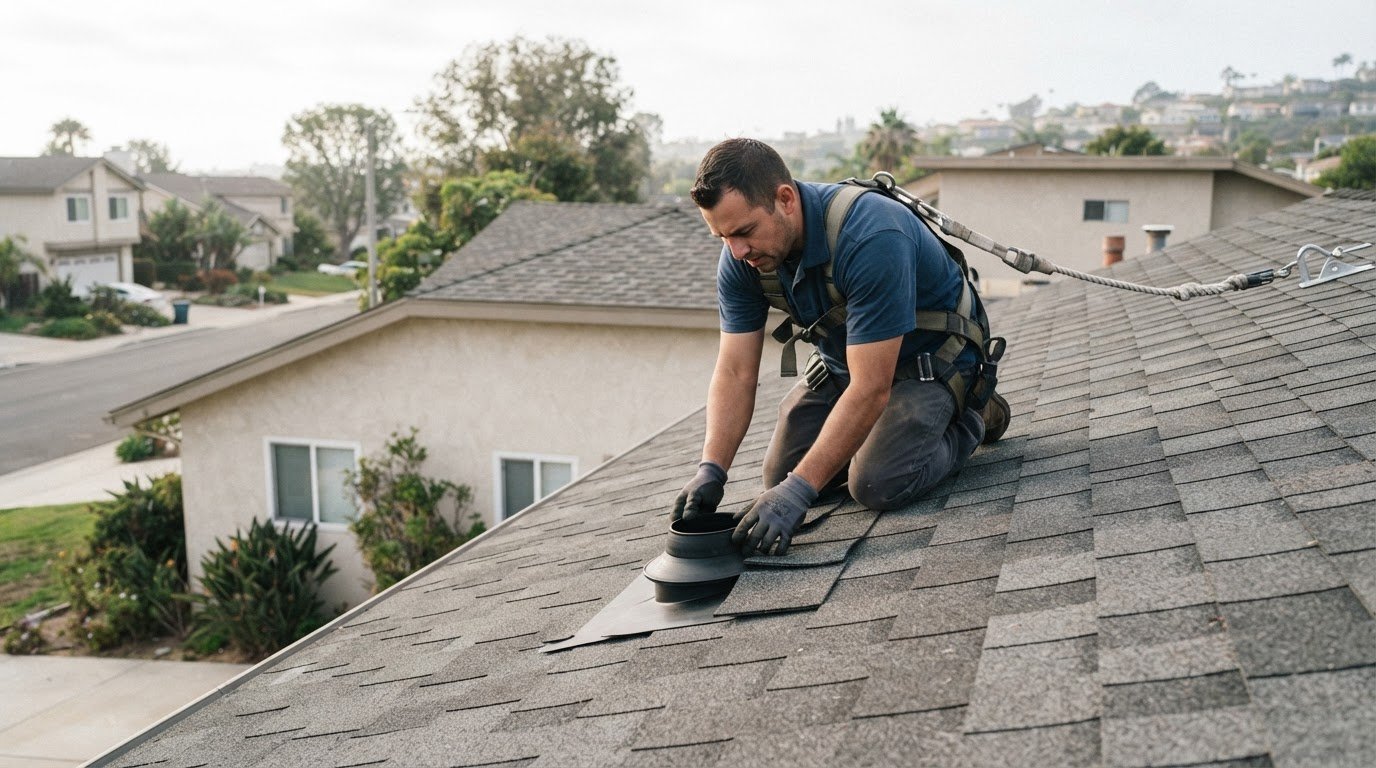
Efficiency also depends on how the roof assembly fits together. Updated underlayment, flashing, and careful shingle alignment can help limit air leakage. Tile roofing has an air gap beneath the tiles, and both the tile covering and underlayment affect the assembly. These details can influence heat movement and overall home performance.
Comparing Roofing Materials and Colors
Roofing materials differ in how much sunlight they reflect and how readily they release absorbed heat. Lighter or reflective materials can help keep a home cooler, but color names alone don’t establish a product’s performance. The CRRC rating for the exact roof-product SKU provides more relevant information about solar reflectance than its color name.
For homeowners weighing how a new roof can lower energy bills in San Diego, match the material to the roof design and the home’s needs. A white or light TPO membrane suits a low-slope assembly, unlike steep-slope shingles. A replacement may also support home value by improving the roof’s condition and function, though resale gains aren’t assured.
Explore roofing material options that suit your home’s design and energy goals.
Will a new roof pay for itself in energy savings?
For most homes, energy savings alone usually don’t repay the cost of a new roof. The value depends on the roof’s condition, cooling demand, and household energy use.
Limits of Energy Savings and Payback
Roof payback compares energy savings with replacement costs, but savings are only one part of the decision. A structurally sound roof that performs well may not need replacement solely to reduce bills. Existing damage changes the equation: repairing or replacing a failing roof also addresses its condition, not just energy use. A new roof won’t fix an inefficient air conditioner or heat entering through west-facing single-pane windows—issues that require direct cooling system service from specialists such as ultraairswfl.com.
Savings Without Lifestyle Changes
A better-performing roof can reduce heat entering the home without changing thermostat habits. The effect depends on how much heat the old roof allowed inside and on the performance of the attic, insulation, and HVAC system. For example, replacing a worn, dark covering with a reflective assembly can reduce the roof’s contribution to cooling demand. Monthly bills may become more stable rather than dropping dramatically right away.
Estimating Savings by Climate Zone and Utility Rates
Estimate potential savings by considering the roof’s expected cooling-load reduction, local climate, and electricity costs. First, consider whether the home is in hotter inland San Diego or a milder coastal area. Then review the household’s cooling-season electricity use and applicable SDG&E rates. Multiply the estimated electricity savings by the relevant rate to estimate bill savings. Compare that amount with replacement costs, while also considering insulation and HVAC condition.
Actual savings also depend on thermostat settings, equipment efficiency, and the roof assembly. A household that uses little cooling has less cooling-related energy use for a roof upgrade to affect. An older air conditioner can also limit the benefit. Treat the estimate as one factor alongside roof damage, expected comfort, and the need for replacement. This gives you a more balanced basis for deciding whether energy savings support the project.
Cool roofing and reflective materials
Reflective materials can deflect sunlight and reduce heat absorbed by a home. For San Diego residential reroofing, a cool-roof requirement under Title 24 shouldn't be assumed to apply by default; applicability depends on the authority having jurisdiction.
Reflective Roofing Materials
A cool roof reflects more sunlight and releases absorbed heat more readily. That can reduce heat transfer from the roof into the home and help ease cooling demand. Two measures describe these properties: solar reflectance indicates how much sunlight the roof reflects, while thermal emittance describes how readily it sheds absorbed heat. Both explain performance more clearly than a color label alone.
Use the exact product’s CRRC rating to assess solar reflectance, rather than relying on a name such as “light gray.” A white or light TPO membrane on a low-slope addition is a different roof assembly from steep-slope shingles. The assembly, roof shape, and material all matter when choosing a reflective upgrade.
Cool-Roof Requirements for Residential Replacements
Title 24 is California’s energy standards framework, but a cool-roof rule does not automatically apply to every San Diego reroof. The authority having jurisdiction determines whether the requirement applies to a specific residential replacement. That distinction matters before choosing materials, since a preferred reflective product and a project’s applicable standards are separate considerations.
For example, a low-slope roof area and a steep-slope main roof may need different assemblies. A proper replacement accounts for the roof type and applicable performance standards, rather than relying on appearance alone. A reflective coating may improve performance when the existing roof remains structurally sound; damage may instead call for repair or replacement. The right scope depends on the roof’s condition.
For a reflective roof upgrade, plan a roof replacement that fits your home’s roof design and condition.
Higher Levels Roofing: Roof Repair Services
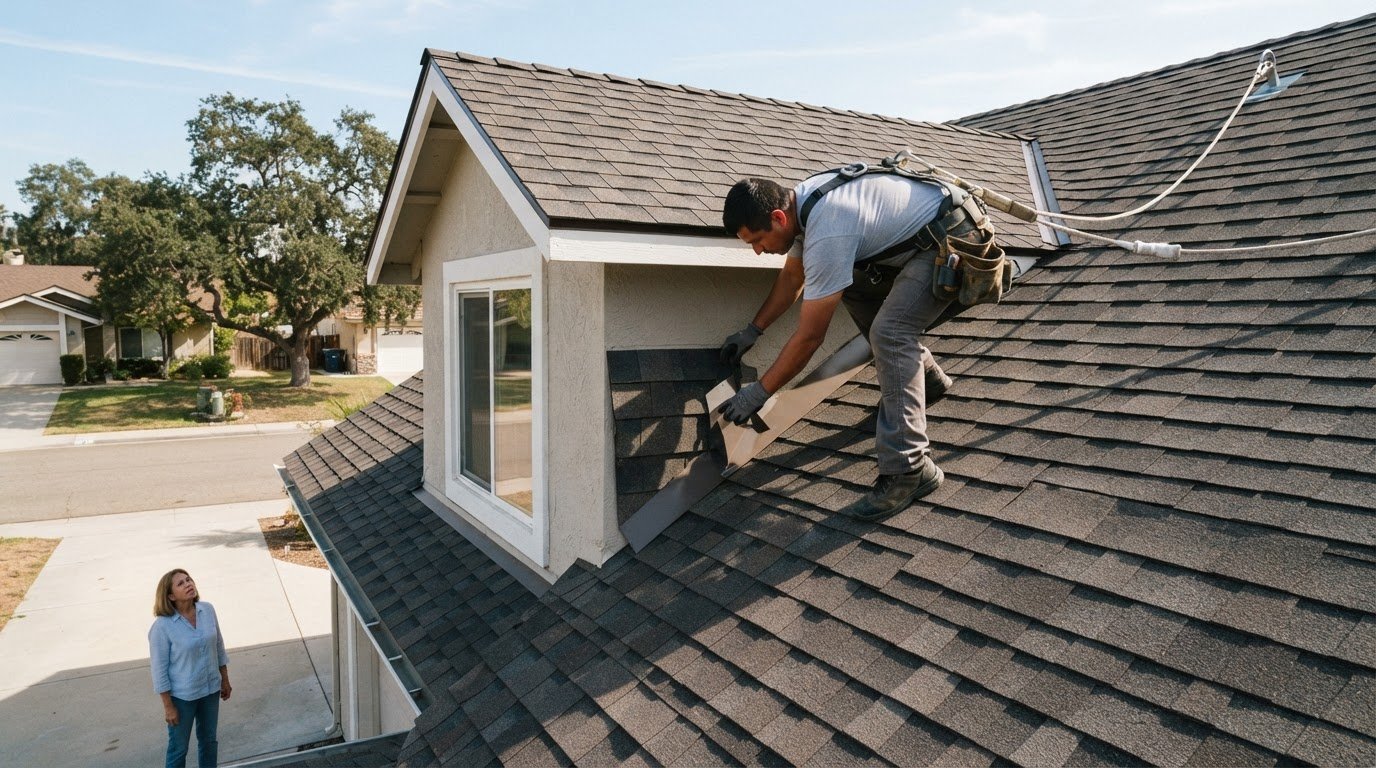
Higher Levels Roofing repairs isolated roof damage that may affect your home’s protection or efficiency. Damaged shingles, compromised flashing, or ventilation problems can allow heat and moisture to affect the roof system. Addressing a specific problem may be more appropriate than replacing a roof that remains sound.
If your roof needs replacement, choose a material suited to its design and your priorities. Higher Levels Roofing installs Asphalt Shingle Roofing, Flat Concrete Tile Roofing, and Concrete S Tile Roofing. A replacement is an opportunity to consider the roof assembly alongside comfort and energy use, without treating lower bills as the only measure of value.
Contact Higher Levels Roofing to discuss roof repairs or replacement options for your home.
Make a Roof Decision That Fits Your Home
Understanding how a new roof can lower energy bills in San Diego is most useful when you also consider your home’s needs. Decide whether the next step is a repair, a planned replacement, or choosing materials suited to your roof design. Energy performance matters, but so do protection, comfort, and a finish that complements your home.
Higher Levels Roofing installs Asphalt Shingle Roofing, Flat Concrete Tile Roofing, and Concrete S Tile Roofing. These options offer a starting point for discussing your roof’s condition and the direction that makes sense for your property. Potential energy savings are not a guaranteed return, so weigh them alongside the roof’s overall function and long-term value.
For a thoughtful next step, contact Higher Levels Roofing today. A sound plan can help you move forward with confidence.
Frequently Asked Questions
Roof Repair vs Replacement: Which Saves More Energy?
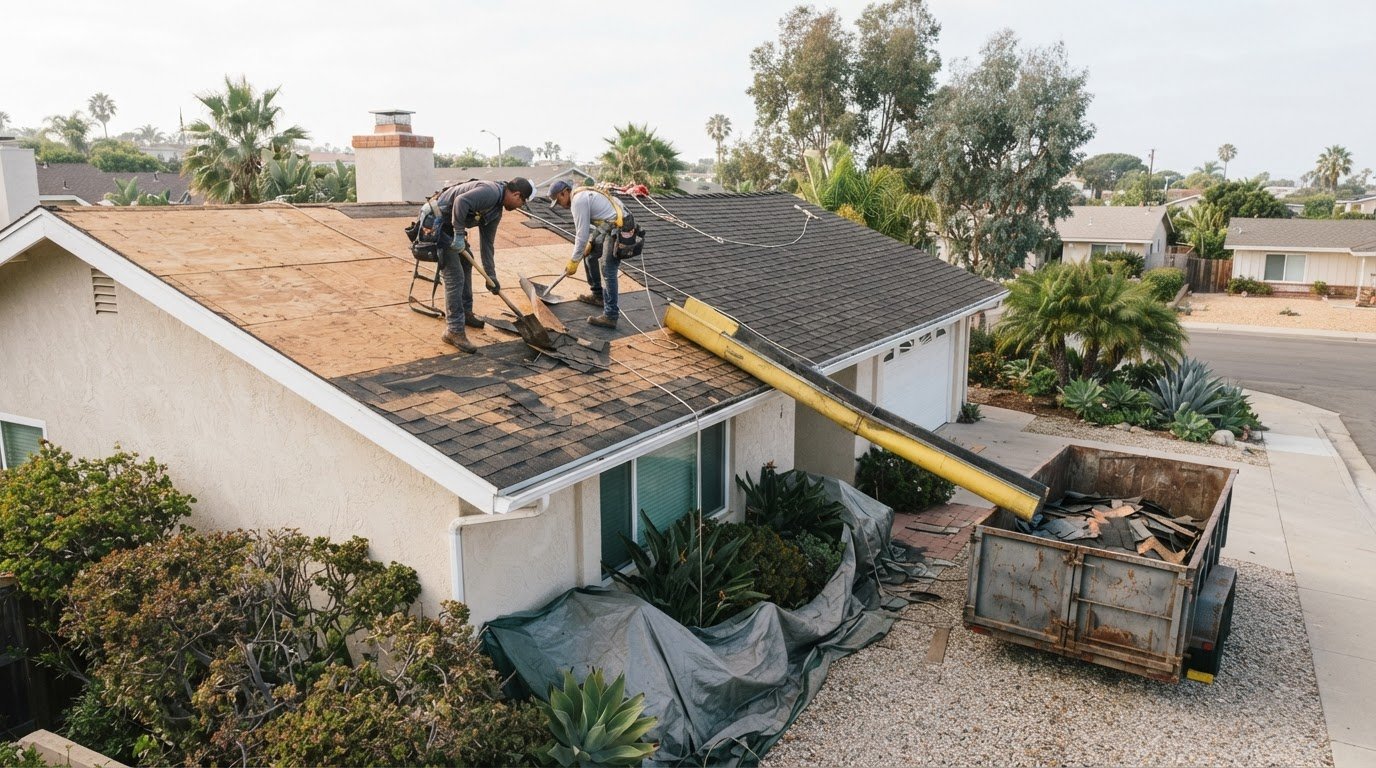
A repair is usually the more direct step when damage is isolated. Replacing damaged shingles, addressing flashing, or fixing a ventilation problem can target specific paths for heat or air leakage. Replacement makes more sense when the roof system is broadly worn or failing, since patching isolated spots won’t correct widespread deterioration. The right scope depends on the defect and the condition of the surrounding roofing.
Will a New Roof Lower Electric Bill?
A new roof can reduce electricity use if it limits heat entering the home and lowers cooling demand. The effect on bills depends on air-conditioning use, the roof assembly, insulation, thermostat habits, HVAC equipment, and SDG&E rates. For example, the same upgrade may affect an inland San Diego home that relies heavily on cooling differently from a coastal home with modest cooling demand.
Are cool roofing systems worth it in San Diego?
Cool roofing may be worthwhile when a replacement addresses a dark, worn roof and cooling is a major household load. Its value can include improved indoor comfort and roof performance, not just utility savings. If a roof is sound and performing properly, energy savings alone usually don’t justify replacement. Consider the exact product’s reflective performance alongside the roof’s condition and cooling needs.
Do lighter roofs save more energy?
Lighter roofing can reflect more sunlight and help reduce heat absorbed at the roof surface. But a color label alone doesn’t establish how reflective a specific product is. The CRRC rating for the exact roofing product provides more relevant solar-reflectance information than its color name. Roof design and the full assembly also affect how much the surface’s performance influences indoor temperatures.
Do new shingles help insulate a home?
No. Shingles protect the roof surface, but they aren’t the home’s insulation layer. Insulation sits in the attic beneath the roof deck and slows heat transfer between the attic and living areas. During shingle replacement, the condition of the roof assembly may reveal issues that affect performance, but installing new shingles alone does not add attic insulation.
Does a new roof help with heating and cooling?
Yes, a properly functioning roof can help limit heat entering during summer and heated indoor air escaping through roof gaps during winter. This can reduce unnecessary strain on heating and cooling equipment. The outcome also depends on insulation, air sealing, and HVAC condition. A new roof won’t repair an inefficient air conditioner or address heat entering through west-facing single-pane windows.
Comments