


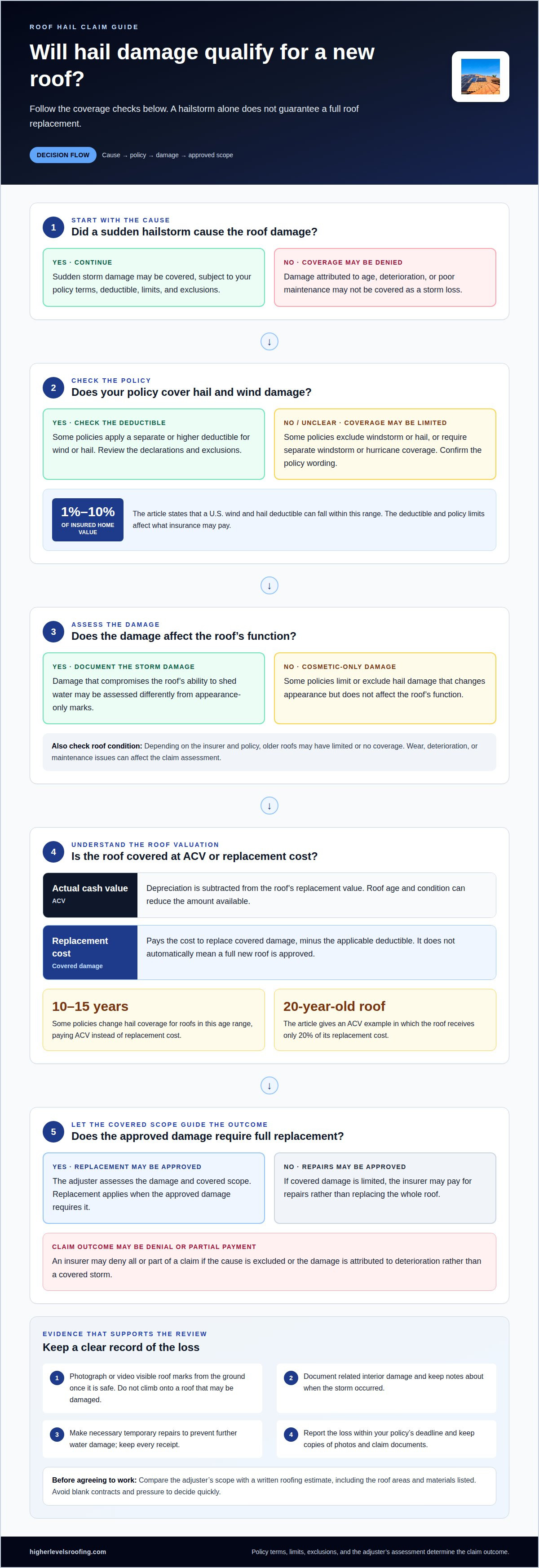
Will Insurance Cover a New Roof for Hail Damage? How to File a Claim

A hailstorm doesn’t automatically mean your insurer will pay for a new roof. Whether insurance will cover a new roof for hail damage depends on your policy, deductible, coverage limits, and whether the damage resulted from the storm rather than age or poor maintenance. Some policies also limit coverage for cosmetic damage or apply a separate hail deductible.
It’s reasonable to expect insurance to help after a damaging storm, but the payout may depend on more than visible impact marks. Your roof’s age and whether the policy pays actual cash value or replacement cost can affect how much you receive.
This guide explains when hail damage may be covered, how roof coverage affects your payout, and how to document damage and file a claim. It also explains how hail, wind, and other covered causes factor into a roof claim, so you can understand your next steps.
Table of Contents
Does homeowners insurance cover hail damage?
Most standard homeowners policies cover sudden roof damage from hail, subject to the deductible, limits, and exclusions. A covered storm may also damage ceilings or belongings, so document related losses along with roof damage. Homeowners often ask, “Will my insurance cover a new roof for hail damage?” The answer depends on the policy and the cause of the damage.
Common Policy Exclusions
Policy exclusions identify causes of damage the insurer won’t cover, so the cause of the loss matters. Insurers may deny claims if they attribute roof damage to age, deterioration, or poor maintenance rather than a sudden storm.
Flood damage to roofs is generally excluded and may require separate flood insurance. Whether animal or earthquake damage is covered also depends on your homeowners policy’s exclusions and coverage. Review the wording for each cause: a hail claim doesn’t automatically cover unrelated damage found during the same inspection.
Wind and Hail Coverage Limits
Wind and hail coverage provisions explain whether these storm events are covered and which deductible applies. Some homeowners policies exclude windstorm or hail damage, while others set a separate or higher deductible for these events.
In the United States, a wind and hail deductible can range from 1% to 10% of the home’s insured value. In hurricane- or tornado-prone areas, insurers may exclude wind or hail damage or require separate windstorm or hurricane coverage. Review the policy’s declarations and exclusions before estimating what insurance may pay.
Roof Condition and Cosmetic Damage
Roof-age and maintenance provisions affect how insurers assess damage and calculate a claim. Depending on the insurer and policy, older roofs may have limited coverage or no coverage. Insurers may also deny all or part of a claim if they find deterioration or poor maintenance rather than storm damage.
Some policies limit or exclude cosmetic-only hail damage that doesn’t affect the roof’s ability to shed water. For example, a mark that changes the roof’s appearance may be treated differently from damage that compromises its function. Photos of the roof and related damage can help document what changed after the storm.
Damage Assessment and Claim Safeguards
Insurers distinguish hail damage from wear by assessing whether the damage appears sudden or consistent with aging, deterioration, or neglected maintenance. State laws and local building codes can affect claim procedures or required repairs, but they don’t make every hail loss covered. Policy terms, limits, and applicable code-upgrade coverage matter.
To avoid roofing contractor scams after a hailstorm, don’t sign a blank contract or let anyone pressure you into a quick decision. Get written estimates, keep copies of photos and claim documents, and compare the proposed work with the reported damage. Clear records help you discuss the claim and its scope.
If you’re still asking, “Will my insurance cover a new roof for hail damage?” compare the documented storm damage with your policy’s covered causes, exclusions, and limits. That review can clarify why an insurer may approve repairs, replacement, or neither.
Actual cash value versus replacement cost roof coverage
Actual cash value (ACV) and replacement cost determine how an insurer values covered roof damage. ACV accounts for depreciation as a roof ages, while replacement-cost coverage bases payment on the cost to replace the damaged roof, minus the applicable deductible. The distinction can substantially change the amount available for repairs or replacement.
With ACV, the insurance company subtracts depreciation from the roof’s replacement value. Age and condition matter: one example describes a 20-year-old roof receiving only 20% of its replacement cost under ACV coverage. Some policies also change hail coverage for roofs that are 10 to 15 years old, paying ACV instead of replacement cost. Check the policy wording for the coverage that applies to your roof.
Replacement-cost coverage pays the cost to replace covered damage, minus the applicable deductible. It doesn’t mean every hail claim qualifies for a new roof. The adjuster assesses the damage and covered scope; the insurance company may authorize repairs if the damage doesn’t require full replacement. A claim can also be denied in whole or in part if the policy excludes the cause or the damage stems from deterioration.
Can an insurer deny a roof claim or pay only for repairs instead of replacement? Yes. A claim may be denied if the policy excludes the damage or the insurer attributes it to wear rather than a covered storm. If covered damage is limited, the insurer may pay for repairs rather than replacement. The adjuster’s assessment and your policy terms shape that decision.
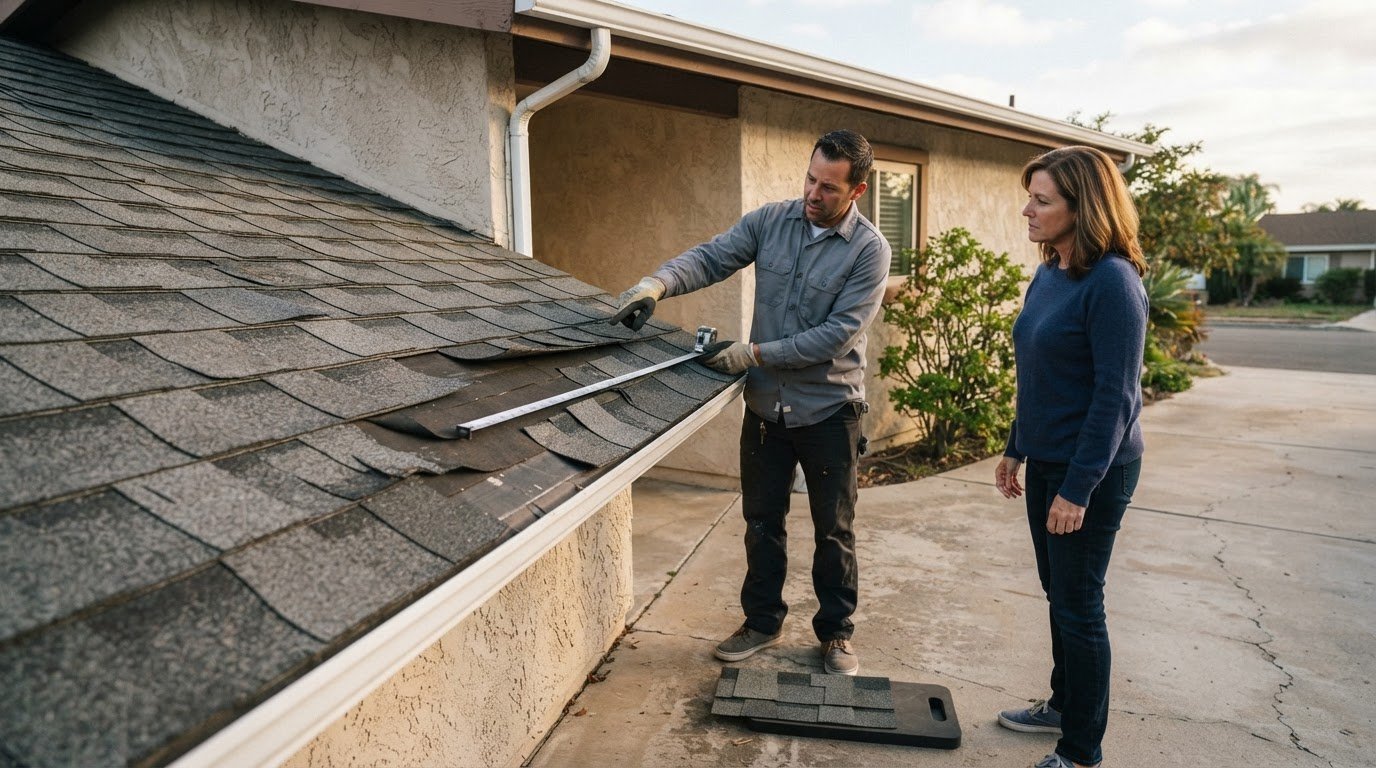
Before agreeing to work, compare the adjuster’s scope with a written roofing estimate. Ask which roof areas and materials the estimate includes, and keep the documents together with your claim records. If the approved scope calls for repair, a focused repair can address the covered damage; replacement applies when the approved damage requires it. A careful roof repair assessment can help clarify the work involved.
Documenting and filing a roof damage claim
After hail, safe documentation helps connect visible roof damage to the storm. A homeowners insurance claim also depends on policy deadlines, the deductible, and the insurer’s inspection.
Preparing Claim Documentation
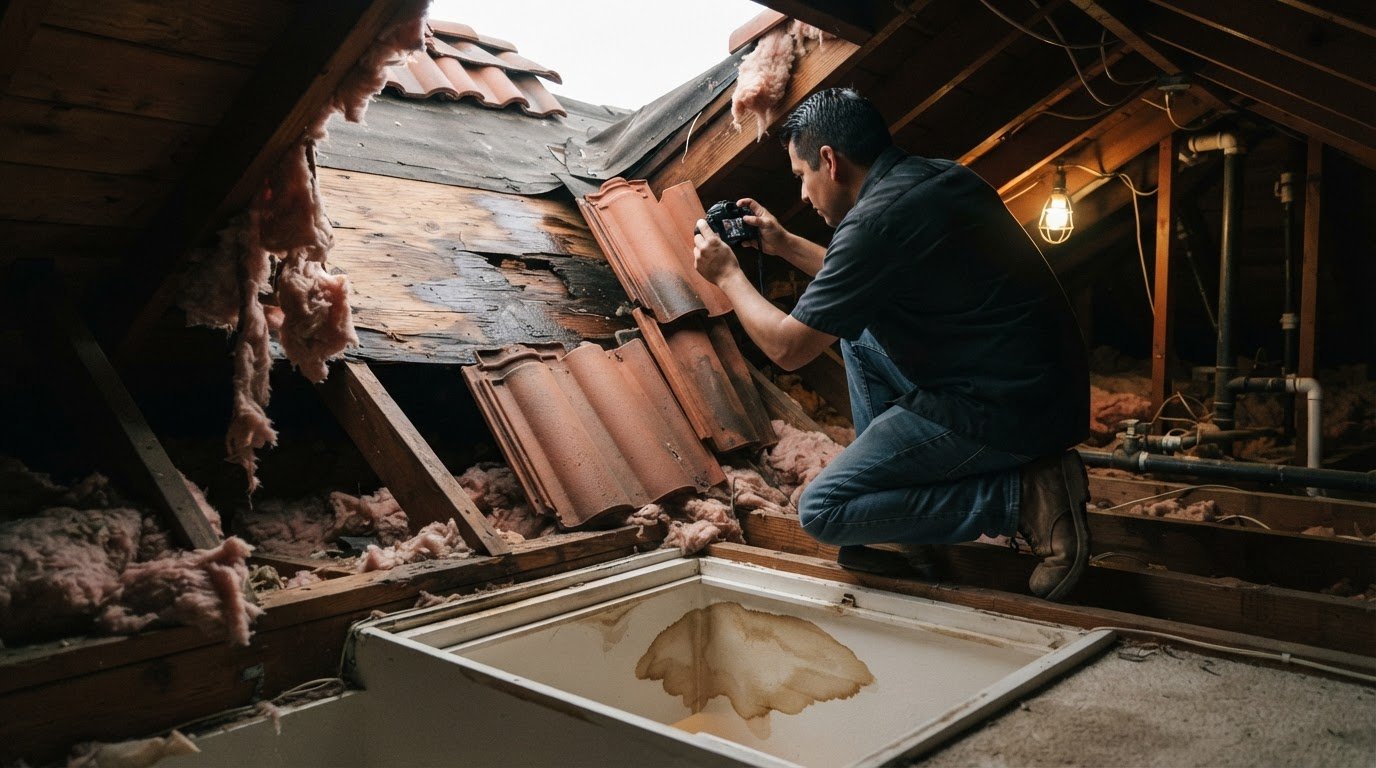
Documentation records hail damage and supports the details in your claim. Once it’s safe, photograph or video the roof from the ground, including visible marks on shingles and any related interior damage. Don’t climb onto a roof that may be damaged.
Make necessary temporary repairs to prevent further water damage, and keep every receipt. Save photos, repair records, and notes about when the storm occurred together. These records give the insurance company a clearer account of the loss.
Claim Inspection and Payment
The inspection allows the insurer to assess the reported damage and determine what the policy covers. After you report a claim, the insurer is expected to acknowledge it within a few days, though complex claims can take longer.
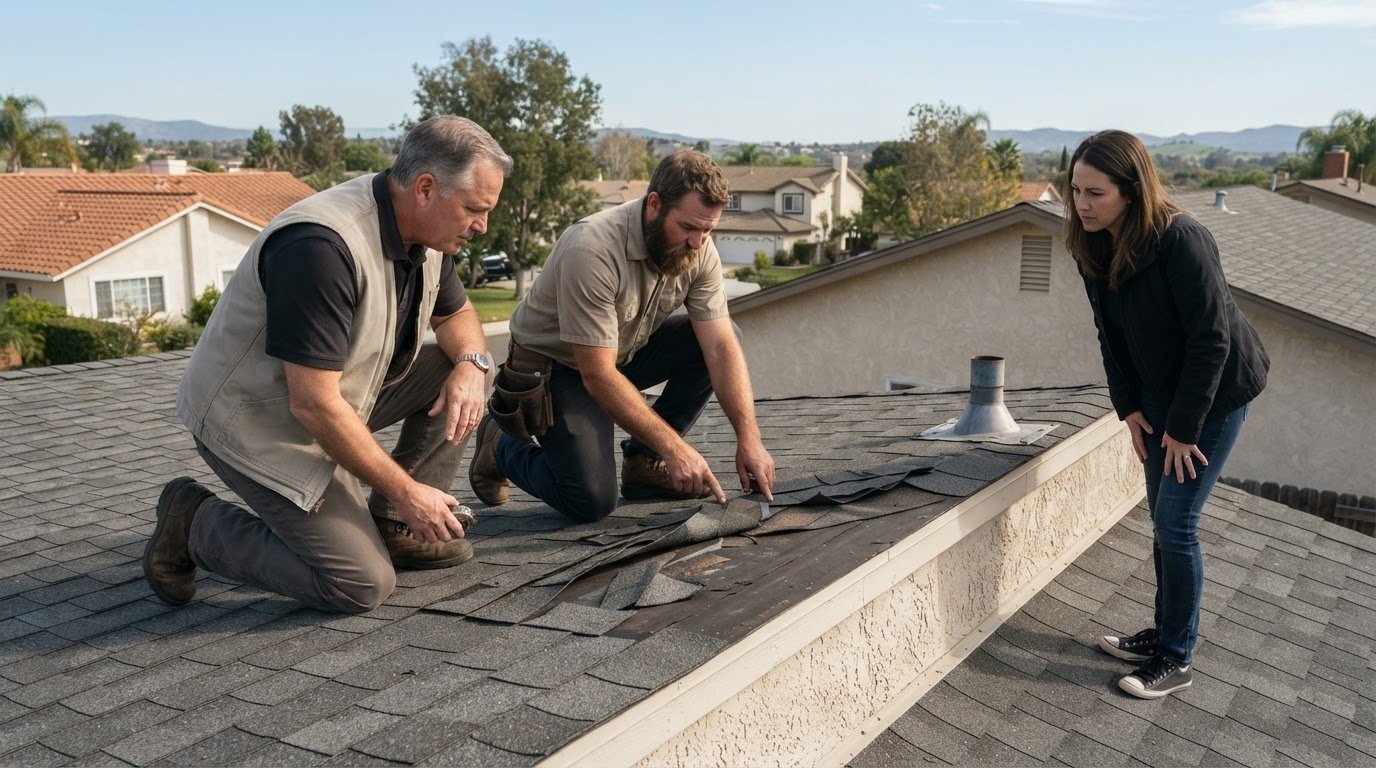
An adjuster may inspect the roof and compare visible damage with your claim information. Keep your photos and receipts available during the inspection. The insurer then explains its decision and payment under the policy, including how the deductible applies. Review the approved scope before arranging repairs.
Filing Deadlines and Deductibles
Claim deadlines and deductibles affect how much time homeowners have to file and what they pay themselves. How long after a hailstorm can you file a roof damage claim? Many homeowners policies require a claim within one year of the loss, while some require storm claims within 60 days or less. Your policy sets the applicable deadline.
How much is the typical homeowners insurance deductible for hail damage? A standard U.S. homeowners deductible typically ranges from $500 to $2,500. Wind and hail claims may use a separate deductible, so check the policy’s terms before estimating your share.
Filing a Hail Damage Claim
Start by reporting the storm loss to your insurance company and describing the damage you observed. Provide the storm date, photos or video, and receipts for temporary repairs. Keep a copy of the claim information and any messages from the insurer.
A claim may affect future premiums, but there’s no universal increase that applies to every homeowner. The insurance company, policy, and claim history can shape the outcome. Ask how the deductible and approved scope apply to repairs, then keep the decision and payment records.
Hail, wind, and other covered roof damage
Homeowners insurance coverage depends on the cause of roof damage and the policy’s terms. Hail is one possible covered peril, but wind, fallen trees, and related interior damage may also matter.
Qualifying Hail Damage
Hail damage may qualify when a covered storm causes physical damage to the roof. The National Oceanic and Atmospheric Administration defines severe hail as hailstones at least 1 inch in diameter, but the storm’s classification alone doesn’t establish coverage.
What hail damage qualifies for a roof insurance claim? Damage caused by hail that affects the roof’s function may support a claim, subject to policy terms and limits. For example, damage that lets water enter differs from a surface mark that affects appearance only. The insurer assesses the reported damage and its cause.
Hail can also lead to later leaks in attics or ceilings. Include those areas in the insurance claim if the same covered storm caused the damage. Photos of affected rooms and roof areas can help show how the losses are connected.
Wind and Other Covered Roof Damage
Homeowners insurance policies may cover roof damage caused by wind, hail, fire, or a fallen tree, depending on the policy. A policy may exclude wind or hail, set separate deductibles, or apply coverage limits, so both the cause and policy wording matter.
Coverage can extend beyond the roof itself. Dwelling coverage may pay for ceilings and walls damaged in the same loss, while personal property coverage may help repair or replace belongings. Loss-of-use coverage may reimburse lodging while repairs are underway, up to the policy limit.
A hailstorm can leave several types of damage at once: roof impacts, a ceiling leak, and water-damaged belongings. Record each affected area separately when describing the loss. Hailstones at least 1.5 inches in diameter are especially destructive to houses and vehicles, according to the National Oceanic and Atmospheric Administration.
For damage to a tile roof, explore roof repair services to address the affected roofing.
Higher Levels Roofing: Roof Repair Services
Higher Levels Roofing provides roof repairs for homeowners with storm-damaged roofing in the San Diego area, including La Jolla, San Marcos, Encinitas, and Carlsbad. Once you understand the insurer’s decision and approved scope, our roofing team can help determine the work needed to repair affected areas or replace damaged roofing.
The right solution depends on the roof material and the damage. Higher Levels Roofing offers asphalt shingle roofing, flat concrete tile roofing, and concrete tile roofing. Clear documentation of the insurer’s approved work can guide a discussion about repairs and materials. For example, a shingle repair scope differs from work involving concrete tile.
If you have a hail-damaged roof and need repair or replacement work, contact Higher Levels Roofing to discuss your roofing needs.
Make a Clear Plan for Your Roof
Once you have the claim decision, use the approved work scope to plan a repair that suits your home and roofing material. If you’re still weighing whether insurance will cover a new roof for hail damage, the final decision depends on your policy and the documented damage.
Higher Levels Roofing offers asphalt shingle, flat concrete tile, and concrete tile roofing, as well as roof repairs. Matching the work to the existing roof keeps the next step focused on your home’s needs. Keep the insurer’s decision and repair documents together, so you can compare the proposed work with the claim scope.
For a practical conversation about roof repair or replacement, contact Higher Levels Roofing. A clear plan can help you move from storm damage toward a sound, well-maintained roof.
Frequently Asked Questions
What kind of roof damage does hail cause?
Hail can leave impact marks on a roof and, in some cases, damage that affects its ability to shed water. The distinction matters: a change in appearance alone may be treated differently from damage that lets water enter the home. Note whether you see interior ceiling or attic damage alongside visible roof marks, since both may relate to the same storm.
How do I file a claim for hail damage?
Report the storm loss to your insurer and describe what you observed, including when it happened and which areas appear affected. Keep a record of the claim reference and save messages, inspection notes, and repair documents together. If the insurer’s assessment differs from your records, use them to ask which damage items were included in its decision.
How much does roof repair or replacement cost?
Roof repair or replacement costs depend on the damage, the work required, and the roofing material. A localized repair differs from replacing a larger damaged area, and estimates should describe the proposed scope rather than only give a total. For a San Diego home, ask that the estimate identify affected roof areas and materials, so you can compare it with the insurer’s approved work.
Will my insurance go up if I file a roof claim?
A roof claim doesn’t trigger one fixed premium increase for every homeowner. Insurers consider factors such as the policy and claim history when setting premiums, so the effect can differ between households. Before filing, weigh the documented storm damage against your deductible and policy terms. Ask your insurer how a reported claim may affect your renewal, since that depends on its rating approach.
Does homeowners insurance cover roof replacement after hail damage?
Homeowners insurance may cover roof replacement when hail is a covered cause and the documented damage warrants replacement under the policy. Coverage doesn’t automatically mean a full new roof: the insurer may approve repairs if the assessed damage is limited. The written decision should identify the covered work and applicable limits, helping you distinguish an approved replacement from a repair-only settlement.
How do actual cash value and replacement cost coverage affect roof claims?
Actual cash value accounts for depreciation, while replacement-cost coverage bases payment on the cost to replace covered damage, minus the applicable deductible. For example, depreciation can reduce an ACV payment even when the repair scope is similar. Check the policy declarations and roof coverage wording for the valuation method, especially if the insurer’s estimate and your replacement estimate differ.
Comments